

Home » News » Page 35

News

Health, beauty, and wellness is a rapidly growing industry worldwide. Stay up to date with global news, trends, topics, and more with the AIHBA news feed.

Christmas Stress and Anxiety

Biological age is increased by stress and restored upon recovery

The biological age of humans and mice undergoes a rapid increase in response to diverse forms of stress, which is reversed following recovery from stress, according to a study publishing on April 21 in the journal Cell Metabolism. These changes occur over relatively short time periods of days or months, according to multiple independent epigenetic […]

Biological age is increased by stress and restored upon recovery Read More »
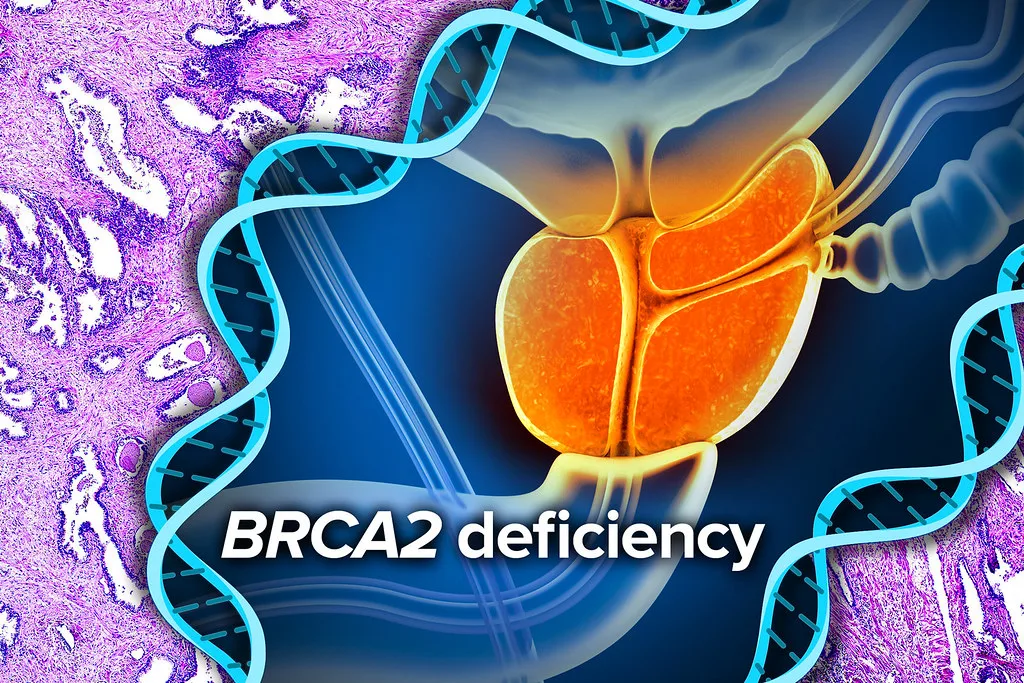
Prostate Cancer: BRCA2 deficiency

Considering genetic risk in prostate cancer referrals could lead to earlier diagnosis

Men at the highest risk for prostate cancer could be fast-tracked for investigation if their genetic risk was considered in general practice, new research has concluded. A large-scale study by the University of Exeter, published in the British Journal of Cancer, looked at the impact of incorporating genetic risk for cancer into the GP triage

Considering genetic risk in prostate cancer referrals could lead to earlier diagnosis Read More »

Three Men in Shorts

Greater fat stores and cholesterol increase with brain volume, but beyond a certain point they are associated with faster brain aging

Among Indigenous, rural non-industrial populations inhabiting the tropical forests of lowland Bolivia, researchers report, there appears to be an optimal balance between levels of food consumption and exercise that maximizes healthy brain aging and reduces the risk of disease. “We hypothesize that energy gain from food intake was positively associated with late life brain health

Greater fat stores and cholesterol increase with brain volume, but beyond a certain point they are associated with faster brain aging Read More »

Caterina Opiola Ekenstam / Portrait

Molecular imaging offers insight into chemo-brain

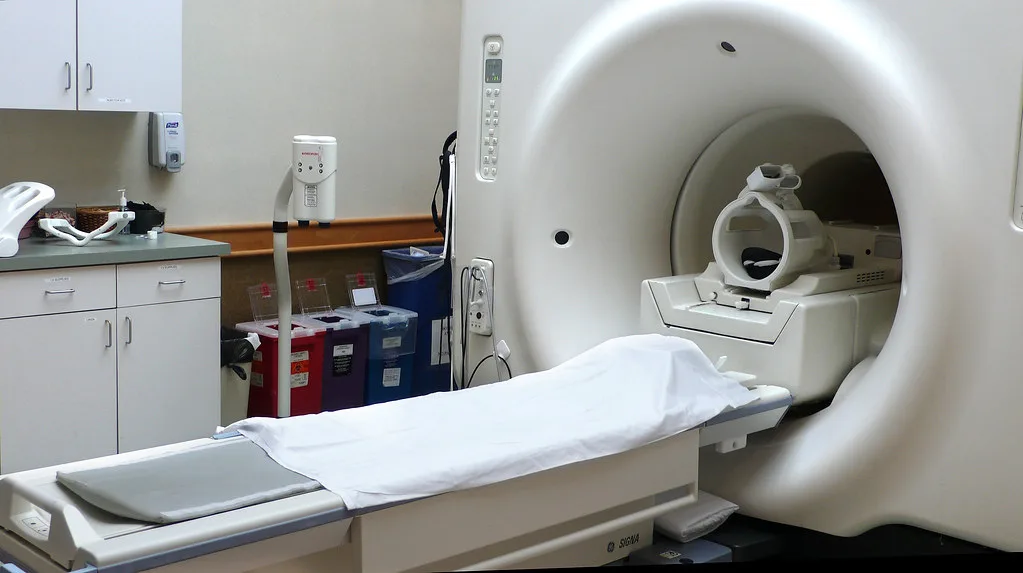
A newly published literature review sheds light on how nuclear medicine brain imaging can help evaluate the biological changes that cause chemotherapy-related cognitive impairment (CRCI), commonly known as chemo-brain. Armed with this information, patients can understand better the changes in their cognitive status during and after treatment. This summary of findings was published ahead-of-print by

Molecular imaging offers insight into chemo-brain Read More »

Army scientists energize battery research

Scientists see anti-aging potential in an invasive weed

The fruit of the cocklebur plant, which grows worldwide and is often considered a noxious weed, has antioxidant and anti-inflammatory components that could make it useful as a skin protectant, according to new research. Researchers found that compounds in the species’ spiky fruits reduced damage from UVB exposure and sped wound healing in laboratory tests

Scientists see anti-aging potential in an invasive weed Read More »

Aggressive prostate

Aggressive prostate cancer linked to ancestral heritage

Two pioneering studies published simultaneously today in Nature and Genome Medicine, have identified genetic signatures explaining ethnic differences in the severity of prostate cancer, particularly in sub-Saharan Africa. Through genetic sequencing of prostate cancer tumours from Australian, Brazilian and South African donors, the team identified a new prostate cancer taxonomy (classification scheme) and cancer drivers

Aggressive prostate cancer linked to ancestral heritage Read More »

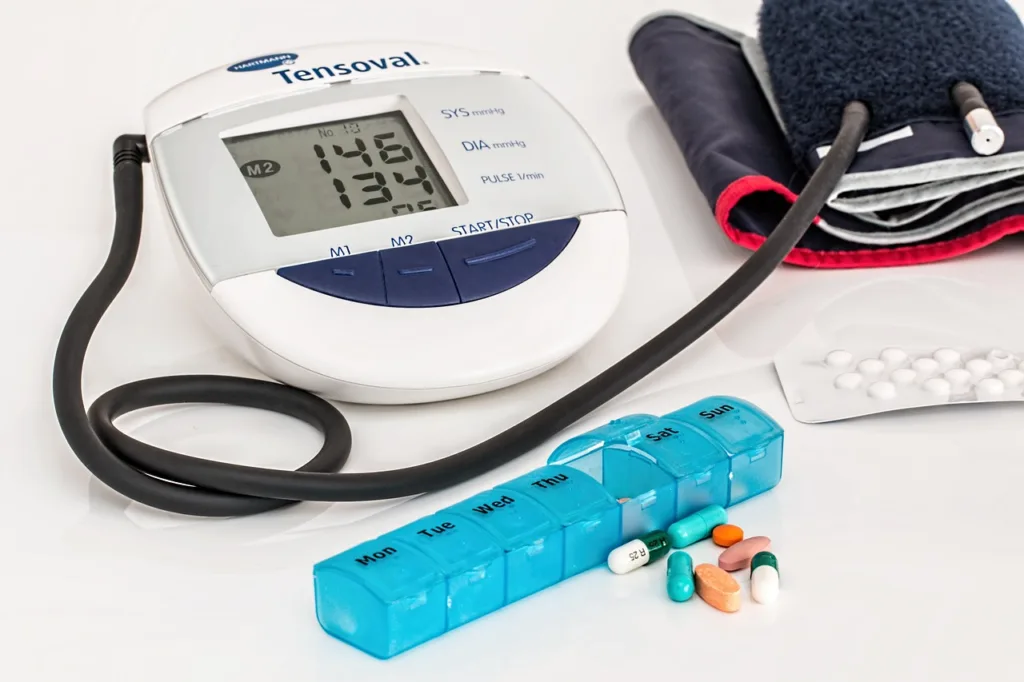
High blood pressure

High blood pressure in your 30s is associated with worse brain health in your 70s

Having high blood pressure in your 30s is associated with worse brain health around age 75, especially for men, according to a new UC Davis study. The research, published this week in JAMA Network Open, compared magnetic resonance imaging (MRI) brain scans of older adults who had high blood pressure between the ages of 30

High blood pressure in your 30s is associated with worse brain health in your 70s Read More »

aortic ruptures

Detecting, predicting, and preventing aortic ruptures with computational modeling

An abdominal aortic aneurysm (AAA) causes the wall of a person’s aorta, the largest artery in the body, to weaken and bulge outward. If left untreated, it can continue to grow and eventually rupture, which can lead to life-threatening bleeding. According to some estimates, up to 80% of patients who experience a ruptured AAA will

Detecting, predicting, and preventing aortic ruptures with computational modeling Read More »

Chat with us
Chat with us
Questions, doubts, issues? We're here to help you!
Connecting...
Hey! Looking for information about our services and membership options? We can help!
Our operators are busy at the moment. Please try again later.
:
:
:
Hey! Looking for information about our services and membership options? We can help!
:
:
This chat session has ended
Was this conversation useful? Vote this chat session.
Good Bad